
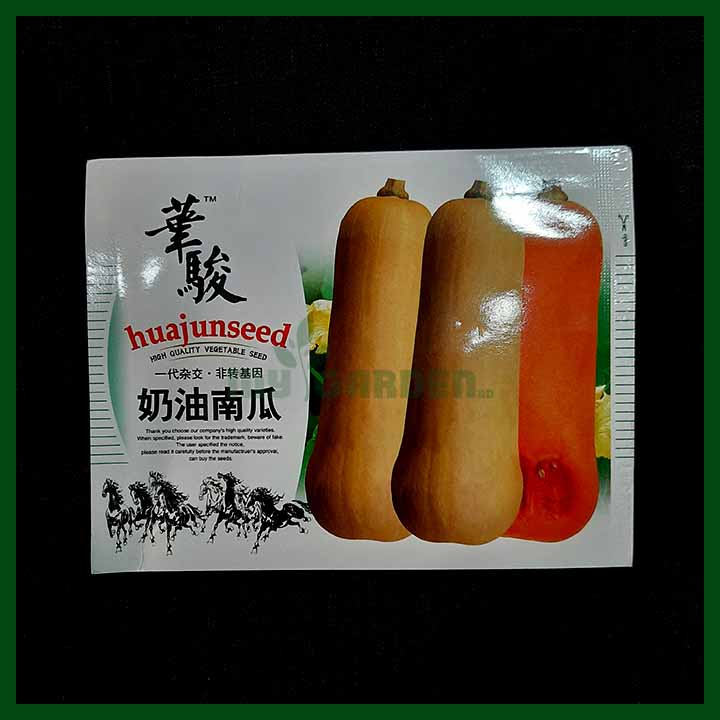
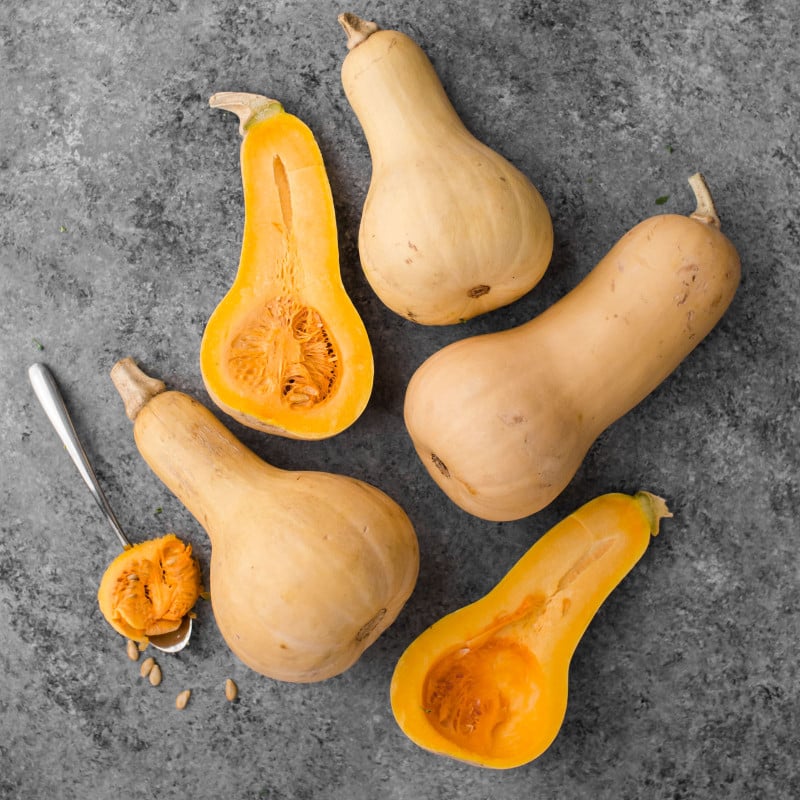
Pumpkin Butternut – huajunseed – Chinese
Description
Pumpkin Butternut
Price: 200 Taka
Brand: huajunseed
Origin: China
**seed quantity is not mentioned on the packet and almost everything is written in chinese language, although we can assure that it contains enough seed for home gardeners and small commercial growers
Germination Rate (Approx.): 85%
Physical Purity (Min): 98%
Genetic Purity (Min): 98%
Germination Temperature: The optimal germination temperature for Pumpkin Butternut Dumbbell seeds is between 24–32°C. Soil temperatures below 20°C can delay germination, while temperatures above 35°C may reduce germination rates. Multiple sources confirm that maintaining a soil temperature around 27–30°C ensures the best results.
Germination Time: Seeds typically germinate in 5–10 days under ideal conditions (warm soil, adequate moisture). Cooler temperatures may extend germination to 12–14 days.
Plant Height, Span, and Seed Sowing Depth
- Height: Vines can grow 12–18 inches tall, with some vertical growth if trellised.
- Span: The plant spreads 6–10 feet (vine length) depending on growing conditions.
- Seed Sowing Depth: Sow seeds 1–1.5 inches deep in well-drained soil.
Plant Spacing: Space plants 3–4 feet apart to allow for vine growth and adequate air circulation.
Row Spacing: Rows should be spaced 6–8 feet apart to accommodate the sprawling vines and facilitate maintenance.
Trellis or Physical Support Requirement: While not mandatory, a trellis or sturdy support is highly recommended, especially in smaller spaces or for vertical gardening. A-frame trellises or strong netting can support the heavy fruits, preventing vine damage and saving space. Fruits should be supported with slings or netting to avoid snapping vines. Without support, vines can sprawl freely on the ground.
Seed to Harvest Time: The time from seed to harvest is approximately 85–110 days (roughly 3–4 months), depending on climate and care.
Seed to Bloom Time: Flowers typically appear 40–50 days after planting, with male flowers blooming first, followed by female flowers.
Pot Size/Container Size/Bed Size:
- Pot Size: Use a container at least 18–24 inches in diameter and depth to accommodate the extensive root system.
- Bed Size: For raised beds, allocate 4–6 square feet per plant to allow for vine spread.
Soil Type and Ideal pH Level
- Soil Type: Prefers well-drained, fertile soil rich in organic matter, such as loamy or sandy loam soil. Incorporate compost or aged manure to enhance soil structure and nutrient content.
- Ideal pH: 6.0–6.8 (slightly acidic to neutral). Test soil pH and amend with lime to raise pH or sulfur to lower it if needed.
Daily Sunlight Requirement and Light Requirement for Germination
- Daily Sunlight: Requires 6–8 hours of direct sunlight daily for optimal growth and fruit production.
- Germination Light: Seeds do not require light to germinate but benefit from bright, indirect light post-germination to encourage strong seedling development.
Water Requirement and Watering Intervals
- Seedling Stage (up to 12 inches): Provide 1–2 liters per plant every 2–3 days, keeping soil consistently moist but not waterlogged.
- Vegetative Growth (12–24 inches): Increase to 2–3 liters every 2–3 days, depending on weather.
- Fruiting Stage: Use 3–5 liters every 3–4 days, ensuring deep watering to support fruit development. Adjust based on rainfall and soil drainage. Mulching helps retain moisture.
Essential Nutrients and Organic Fertilizers
- Essential Nutrients:
- Nitrogen (N): 2–3% for vegetative growth.
- Phosphorus (P): 1–2% for root and fruit development.
- Potassium (K): 2–3% for fruit quality and disease resistance.
- Micronutrients: Calcium, magnesium, and trace elements like boron and zinc.
- Organic Fertilizers:
- Tricho-compost: Rich in nitrogen and microbes.
- Vermicompost: Balanced NPK and micronutrients.
- Cow-dung Compost: High in nitrogen and organic matter.
- Horn Meal: Slow-release nitrogen.
- Bone Meal: High in phosphorus and calcium.
- Neem Cake Powder: Nitrogen and pest-repellent properties.
- Mustard Cake Powder: Nitrogen and potassium source.
- Oyster Shell Powder: Calcium source.
- Epsom Salt: Magnesium and sulfur source.
Organic Fertilizer Application for Container-Grown Plants
For an 18–24 inch container:
- Blend Composition (per plant):
- Tricho-compost: 200 g
- Vermicompost: 200 g
- Cow-dung Compost: 150 g
- Horn Meal: 50 g
- Bone Meal: 50 g
- Neem Cake Powder: 50 g
- Mustard Cake Powder: 50 g
- Oyster Shell Powder: 30 g
- Epsom Salt: 10 g
- Application Method: Mix fertilizers into the top 2–3 inches of soil at planting. Apply 100 g of the same blend (proportioned similarly) every 30 days during the growing season.
- Interval: Reapply every 4 weeks until fruit set, then reduce to every 6 weeks during fruiting.
Chemical Fertilizer Requirement and Application Rate
- Fertilizer Type: Use a balanced NPK fertilizer like 10-10-10 or 5-10-10 for growth and fruiting.
- Application Rate:
- Seedling Stage: Apply 10 g per plant of 10-10-10 at planting.
- Vegetative Stage: Apply 15 g per plant every 2 weeks.
- Fruiting Stage: Switch to 5-10-10, applying 20 g per plant every 3 weeks.
- Method: Dissolve in water and apply to the soil, avoiding foliage.
Companion Plants
- Marigolds: Repel pests like aphids and beetles.
- Nasturtiums: Deter squash bugs and attract beneficial insects.
- Corn: Provides structural support for vines (Three Sisters method).
- Beans: Fix nitrogen in the soil, benefiting squash.
Fruit Taste: The fruit has a sweet, nutty flavor with a creamy texture when cooked. Rated 8/10 for its versatility in savory and sweet dishes.
Leaf Taste: Leaves are edible but less commonly consumed. They have a mild, slightly bitter taste, rated 5/10. Best when young and tender, often used in soups or stir-fries.
Pest Types and Control
- Pests:
- Squash Bugs: Controlled with Carbaryl (chemical) or neem oil sprays and hand-picking (organic).
- Vine Borers: Use Permethrin (chemical) or inject Bacillus thuringiensis (Bt) into stems (organic).
- Aphids: Apply Imidacloprid (chemical) or insecticidal soap (organic).
- Organic Methods: Introduce ladybugs, use row covers, and apply diatomaceous earth around the base.
Disease Types and Control
- Diseases:
- Powdery Mildew: Use Chlorothalonil (chemical) or spray with a baking soda solution (1 tbsp per liter of water) (organic).
- Downy Mildew: Apply Mancozeb (chemical) or copper-based fungicides (organic).
- Bacterial Wilt: No chemical cure; remove infected plants and use resistant varieties (organic).
- Organic Methods: Ensure good air circulation, avoid overhead watering, and apply compost tea to boost plant immunity.
Identifying Mature Fruit
Fruits are ready to harvest when:
- The rind is hard and cannot be pierced with a fingernail.
- The skin turns a deep tan or beige color.
- The stem begins to dry and turn brown. Harvest with 2–3 inches of stem attached for longer storage.
Monthly Yield for a Family of Four (Bangladeshi Cuisine): Assuming a family of four consumes butternut squash as part of a balanced Bangladeshi diet (used in curries, soups, or sides), approximately 4–6 kg per month is sufficient. This accounts for 1–2 meals per week featuring squash.
Average Crop Yield per Square Foot: Yields approximately 0.5–1 kg per square foot, depending on soil fertility and care. A single plant (4–6 sq ft) can produce 2–4 fruits (3–6 kg total).
Average Life Span: As an annual plant, it completes its life cycle in one growing season (4–5 months). With proper care, it may produce multiple harvests within this period.
Nutritional Value (per 100 g of cooked fruit)
- Calories: 45 kcal
- Carbohydrates: 11.7 g
- Fiber: 2 g
- Protein: 1 g
- Fat: 0.1 g
- Vitamins: High in Vitamin A (10626 IU), Vitamin C (21 mg), and small amounts of B vitamins.
- Minerals: Potassium (352 mg), Magnesium (34 mg), and Calcium (48 mg).
Five Health Benefits
- Boosts Immunity: High Vitamin A and C content supports immune function.
- Improves Vision: Beta-carotene promotes eye health.
- Aids Digestion: Dietary fiber supports gut health.
- Supports Heart Health: Potassium helps regulate blood pressure.
- Promotes Skin Health: Antioxidants protect against skin damage.
Four Popular Food Recipes
- Bangladeshi Kumror Chokka: A spiced butternut squash dish with chickpeas, cooked with mustard oil, turmeric, and cumin. Sauté diced squash with spices and simmer with chickpeas until tender.
- Bangladeshi Kumro Bharta: Mashed roasted butternut squash mixed with mustard oil, green chilies, and onions, served as a side dish.
- Butternut Squash Soup (Western): Blend roasted squash with vegetable broth, cream, and nutmeg for a creamy soup.
- Roasted Butternut Squash with Herbs (Western): Toss cubed squash with olive oil, rosemary, and thyme, then roast until caramelized.
Ideal Month for Germination in Bangladesh: The best months for sowing seeds are February–March or October–November, aligning with warm temperatures (25–30°C) and avoiding heavy monsoon rains, based on Bangladesh’s weather patterns from 2023–2024.
Average Number of Seeds per Gram: Approximately 10–15 seeds per gram, based on data from seed suppliers for butternut squash varieties.
Best Propagation Method: Direct seeding is the most effective method. Sow seeds 1–1.5 inches deep in warm, well-prepared soil. Alternatively, start seeds indoors 2–3 weeks before the last frost and transplant seedlings when they have 2–3 true leaves.
Storage Methods for Fruit
- Fruit Storage: Store mature fruits in a cool (10–15°C), dry, well-ventilated area. They can last 2–6 months if kept away from moisture and direct sunlight.
- Leaf Storage: Blanch young leaves, dry them, and store in airtight containers in a cool, dark place for up to 1 month. Alternatively, freeze blanched leaves for up to 6 months.
Three Specialties
- Unique Shape: The dumbbell shape makes it visually distinct and ideal for stuffing recipes.
- High Yield: Produces multiple fruits per plant under good conditions.
- Versatile Use: Both fruit and leaves are edible, suitable for diverse culinary applications.
Two Beautiful Quotes
- “The Pumpkin Butternut Dumbbell, with its golden flesh and sturdy vines, is nature’s gift of warmth and nourishment to the autumn table.”
- “In every curve of the Butternut Dumbbell lies a story of sun-soaked fields and the promise of hearty meals.”
Three Unknown Facts
- The dumbbell shape is a result of selective breeding for uniform fruit size, ideal for market sales.
- Its seeds are rich in zinc and can be roasted for a nutritious snack.
- Historically, butternut squash was a staple in Native American diets, often stored for winter use.
Scientific Name and Family
- Scientific Name: Cucurbita moschata
- Family: Cucurbitaceae
Reference Tutorial Link:
https://www.youtube.com/watch?v=trMQg7D3HRc
Disclaimer: In accordance with the universal custom of seed trade we give no warranty expressed or implied as to description, quality, productivity or any other matter of any way for the crop results beyond the purchased price especially under unsuitable season, abnormal weather, unsuitable soil and other unexpected conditions.
বীজ ব্যবসার সার্বজনীন প্রথা অনুযায়ী আমরা বিশেষত অনুপযুক্ত ঋতুতে, বিশেষত অনিয়মিত আবহাওয়া, অনুপযুক্ত মাটি এবং অন্যান্য ক্রয়মূল্যের বাইরে ফসলের ফলনের বর্ণনা, গুণমান, উৎপাদনশীলতা বা অন্য যে কোনও বিষয়ে বর্ণিত ওয়ারেন্টি প্রদান করি না। অপ্রত্যাশিত শর্ত।
#70T #Pumpkin #Butternut #Squash #Zucca #Charango #Plant #Vegetable #Rooftop #seeds #Balcony #online #store #my #garden #bd #mygardenbd #nature #ছাদ #বাগান #টব #গাছ #বীজ #সবজি #in #Dhaka #Bangladesh #MGS1306


Reviews
There are no reviews yet.