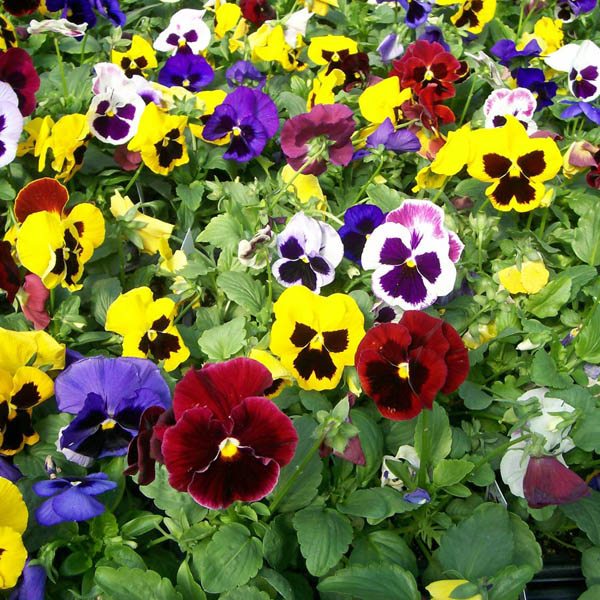
Pansy Mixed Color F1 Hybrid – 15 seeds

৳ 120.00

Available on backorder

SKU: PANSY-F1 Categories: , , Tags: ,

Description

Pansy Mixed Color F1 Hybrid 


Price: 120 Taka

Quantity: 15 seeds


Germination Rate (Approx.): 80%

Physical Purity (Min): 98%

Genetic Purity (Min): 98%


Germination Temperature: Based on multiple sources the ideal germination temperature for pansy seeds is 15-24°C (60-75°F). This range ensures optimal sprouting rates. Lower temperatures (below 15°C) slow germination, while higher ones (above 24°C) can inhibit it or lead to poor seedling vigor. For accuracy, aim for 18-21°C, as consistently noted across gardening guides.

Germination Time: Pansy seeds typically take 7-21 days to germinate under ideal conditions (15-24°C soil temperature and consistent moisture). Some sources report 10-14 days as average, with faster rates (4-7 days) in optimal setups like surface sowing with humidity domes.

Plant Height, Span, and Seed Sowing Depth

  • Height: 15-30 cm (6-12 inches), compact and mounding.
  • Span (Width): 15-30 cm (6-12 inches), spreading habit.
  • Seed Sowing Depth: 0.3-0.6 cm (1/8-1/4 inch); surface sow lightly covered, as seeds need darkness but not deep burial.

Plant Spacing (Mention in Inches or Feet)

Space pansy plants 6-12 inches apart to allow air circulation and prevent overcrowding, which can lead to disease.

Row Spacing: For row planting (e.g., in beds), maintain 12-18 inches between rows to support growth and easy access for maintenance.

Physical Support Requirement: No trellis or support is required. Pansies are low-growing, compact plants that maintain an upright or mounding form without staking.

Seed to Bloom Time: From seed to first bloom takes 8-12 weeks (2-3 months) under controlled conditions, including 10-14 days for germination and 6-8 weeks for transplant and growth.

For How Long Does the Bloom Stay?

Individual blooms last 1-2 weeks before fading, but with deadheading, plants produce flowers continuously for 3-6 months in cool weather (fall-spring).

Flower’s Shape and Size: Pansy flowers are flat-faced with five overlapping, heart-shaped petals, often resembling a “face” due to central blotches. Size: 1-4 inches (2.5-10 cm) in diameter, with larger hybrids up to 4 inches.

Life Span: Pansies are short-lived perennials or biennials, lasting 1-2 years in ideal conditions, but typically grown as annuals (one season) due to heat sensitivity.

Pot Size/Container Size/Bed Size (in Inches) with Depth

  • Pot/Container: 6-12 inches diameter (for 1-4 plants), with 6-8 inches depth for root growth.
  • Bed Size: Raised beds 12-18 inches wide; depth 6-12 inches for well-draining soil.

Soil Type: Pansies thrive in rich, loamy, well-draining soil with high organic matter to retain moisture without waterlogging. Avoid heavy clay or sandy soils without amendment. Ideal Mix: 50% garden loam, 30% compost/organic matter, 20% perlite or sand for drainage. pH Level: Slightly acidic, 5.4-6.0.

Daily Sunlight Requirement:

  • Plant: 4-6 hours of full sun daily; partial shade in hot climates to prevent scorching.
  • Germination: Seeds require darkness (cover lightly); post-germination, provide bright, indirect light (12-16 hours via grow lights if indoors).

Water Requirement: Pansies need consistent moisture (top 1 inch of soil dry between waterings). For a 6-12 inch plant in a 10-inch pot: ~0.5-1 liter per watering, every 2-3 days in active growth; reduce to every 4-5 days in cool weather. Adjust for size: smaller plants (under 6 inches) need less (~0.25 liter).

Companion Plants

  • Spring bulbs (tulips, daffodils) for layered color.
  • Violas and primroses for cool-season harmony.
  • Dusty miller or heuchera for foliage contrast.
  • Ornamental kale or snapdragons for texture.

Flower Fragrance: Some varieties produce a mild, sweet fragrance (especially yellow/blue types), noticeable in morning/evening. Strength: 3/10 (subtle, not overpowering).

Pest Types:

Pest Chemical Control Organic Alternative
Aphids Imidacloprid or bifenthrin Insecticidal soap or neem oil spray; introduce ladybugs.
Slugs/Snails Metaldehyde bait Beer traps or diatomaceous earth barrier.
Spider Mites Abamectin Horticultural oil or strong water spray; predatory mites.
Cutworms Spinosad Bacillus thuringiensis (Bt) or physical collars around stems.


Disease Types:

Disease Chemical Control Organic Alternative
Root Rot (Pythium/Phytophthora) Mefenoxam or propamocarb Improve drainage; use beneficial microbes like Trichoderma.
Powdery Mildew Sulfur-based fungicide Baking soda spray (1 tbsp per gallon water) or milk dilution (1:9).
Leaf Spot (Cercospora/Anthracnose) Chlorothalonil Copper fungicide; remove debris and ensure air circulation.
Botrytis Blight (Gray Mold) Iprodione Remove infected parts; increase spacing and use mulch.


Essential MacroNutrients:

  • Nitrogen (N) 20-30% (foliage growth)
  • Phosphorus (P) 10-20% (roots/blooms)
  • Potassium (K) 20-30% (overall health)

Micronutrients:

  • Iron (Fe) 0.1-0.5%
  • Magnesium (Mg) 0.2-0.5%

Organic Sources: Compost (balanced NPK), bone meal (high P), kelp meal (K, trace minerals), fish emulsion (N).

Organic Fertilizer Application rate:

For a 10-inch pot (1-2 plants):

  • Compost: 100-200g mixed into soil at planting; top-dress 50g monthly.
  • Bone meal: 10-20g at planting.
  • Kelp meal: 5-10g every 4-6 weeks. Interval: Every 4-6 weeks during growth; reduce in winter.

Fertilizer Requirement: Use balanced 10-10-10 or 20-20-20. For small plants (<6 inches): 1-2g per plant every 2-3 weeks. Medium (6-12 inches): 3-5g every 2 weeks. Dilute to 200-300 ppm N for liquid feed.

Health Benefits for Human or Medicinal Uses: Pansies offer anti-inflammatory, diuretic, and antimicrobial benefits. Used traditionally for skin issues (eczema, acne), respiratory ailments (coughs, bronchitis), and as a mild sedative. Rich in vitamins A/C and antioxidants; supports wound healing and reduces fever.

Flower Edibility: Pansy flowers (petals, stamens, sepals) are edible with a mild, grassy flavor.

Examples:

  • Garnish salads or soups.
  • Candied for cakes/cupcakes (brush with egg white, dip in sugar, dry).
  • Infuse in herbal tea or syrup for drinks.
  • Freeze in ice cubes for cocktails.

Special Characteristics of This Flower

  • Face-like markings: Central “blotch” resembles a smiling face, symbolizing thought/remembrance.
  • Cold-hardy: Survives frost down to -12°C (10°F).
  • Edible and versatile: Adds color/flavor to dishes; attracts pollinators.
  • Hybrid diversity: Over 300 varieties from Viola tricolor, with velvety, overlapping petals.

How to Encourage More Flowers?

  • Deadhead regularly: Pinch faded blooms to redirect energy.
  • Fertilize monthly: Balanced 10-10-10 for blooms.
  • Water consistently: Keep soil moist but not soggy.
  • Full sun/partial shade: 4-6 hours daily.
  • Pinch leggy growth: Promotes bushiness.
  • Mulch: Retains moisture, suppresses weeds.

Different Uses of This Flower

  • Ornamental: Beds, borders, containers, hanging baskets for cool-season color.
  • Edible: Garnishes, salads, teas, desserts.
  • Medicinal: Teas for skin/respiratory issues.
  • Symbolic: Gifts for remembrance/love (Victorian era).
  • Ecological: Attracts bees/butterflies; companion planting with bulbs.

Ideal time for Germination in Bangladesh: In Bangladesh’s tropical climate (October-March dry/cool, 15-30°C averages; low rainfall ~10-50mm/month in 2023-2024), October-November is ideal. Mild temps (20-28°C) match 15-24°C needs; post-monsoon dryness aids germination without excess moisture.

Native Climate and Region of This Flowering Plant: Native to cool, temperate Europe and western Asia (Viola tricolor origins); prefers mild winters (USDA zones 6-10), moist, well-drained soils, and partial shade.

Seed Germination Difficulty : 4/10 (moderately easy; needs darkness, consistent moisture, and cool temps, but reliable with basic care).

Growing Difficulty: 2/10 (very easy; tolerant of cool weather, low-maintenance once established).

Average Number of Seeds per Gram: 500-800 seeds per gram (e.g., 700/g raw; 500-700 cleaned).

Three Specialties of This Plant:

  • Vibrant, face-like blooms in endless colors for striking displays.
  • Cold tolerance: Thrives in frost, blooming when few others do.
  • Edible versatility: Adds nutrition/color to foods while attracting pollinators.

Beautiful Quotes on This Plant:

  • “The pansy, with its heart-shaped petals, whispers thoughts of love and remembrance in every gentle breeze.” – Anonymous
  • “In the quiet garden, the pansy stands as a humble sentinel, its face a canvas of unspoken dreams and tender memories.” – Inspired by Shakespeare

Three Unknown Facts About This Plant:

  • Mythical origins: Transformed by Cupid’s arrow in folklore, turning white flowers purple with “love’s wound.”
  • Freethought symbol: Represents independent thought in humanism, due to French “pensée” (thought).
  • Edible dye source: Petals yield natural yellow/blue pigments for fabrics/foods.

Scientific Name and Family of This Plant

Scientific Name: Viola × wittrockiana Family: Violaceae (violet family).

*Note: It is recommended to prepare seedling in a small cup or pot for better success rate and keep the soil moist.

Disclaimer: In accordance with the universal custom of seed trade we give no warranty expressed or implied as to description, quality, productivity or any other matter of any way for the crop results beyond the purchased price especially under unsuitable season, abnormal weather, unsuitable soil and other unexpected conditions.

বীজ ব্যবসার সার্বজনীন প্রথা অনুযায়ী আমরা বিশেষত অনুপযুক্ত ঋতুতে, বিশেষত অনিয়মিত আবহাওয়া, অনুপযুক্ত মাটি এবং অন্যান্য ক্রয়মূল্যের বাইরে ফসলের ফলনের বর্ণনা, গুণমান, উৎপাদনশীলতা বা অন্য যে কোনও বিষয়ে বর্ণিত ওয়ারেন্টি প্রদান করি না অপ্রত্যাশিত শর্ত

#pansy #pansies #pansyflower #pansyflowers #pansyplant #pansygarden #pansylove #pansyblooms #pansyseeds #pansygrowing #viola #violawittrockiana #edibleflowers #flowergarden #coolseasonflowers #winterblooms #springflowers #gardening #flowerpower #pansyart #pansymagic #pansysymbolism #heartsease #johnnyjumpup #flowerstagram #mixed #Color #Plant #Rooftop #seeds #Balcony #online #store #my #garden #bd #mygardenbd #nature #ছাদ #বাগান #টব #গাছ # ফুল #বীজ #in #Dhaka #Bangladesh
Reviews

There are no reviews yet.

Be the first to review “Pansy Mixed Color F1 Hybrid – 15 seeds”

Your email address will not be published. Required fields are marked *