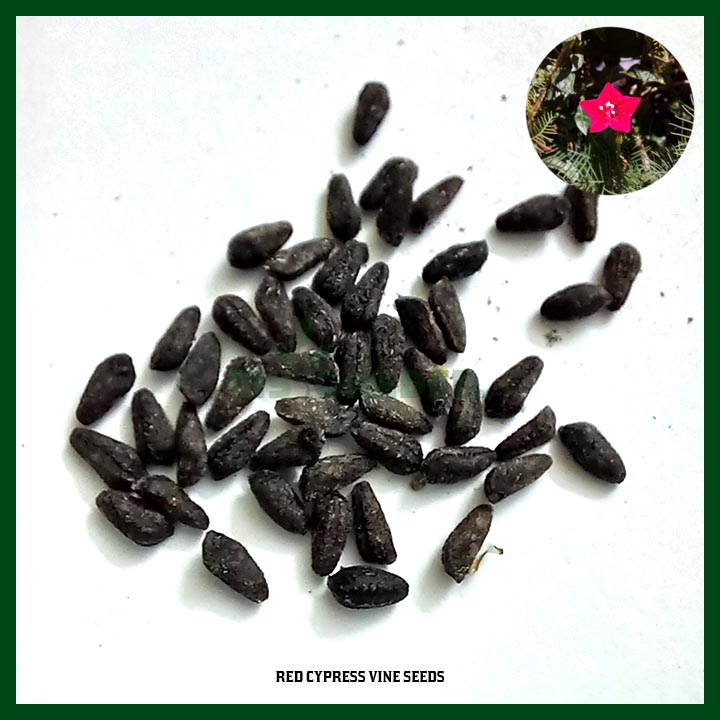
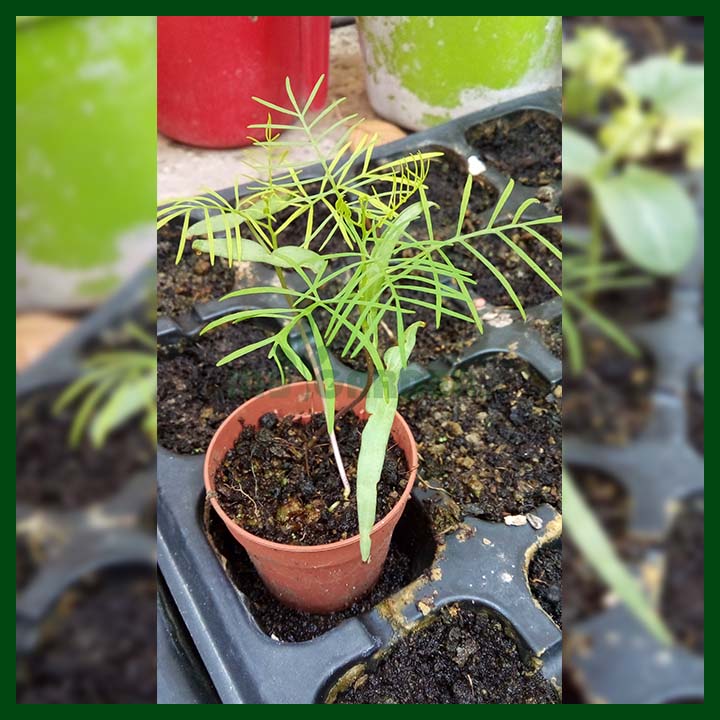
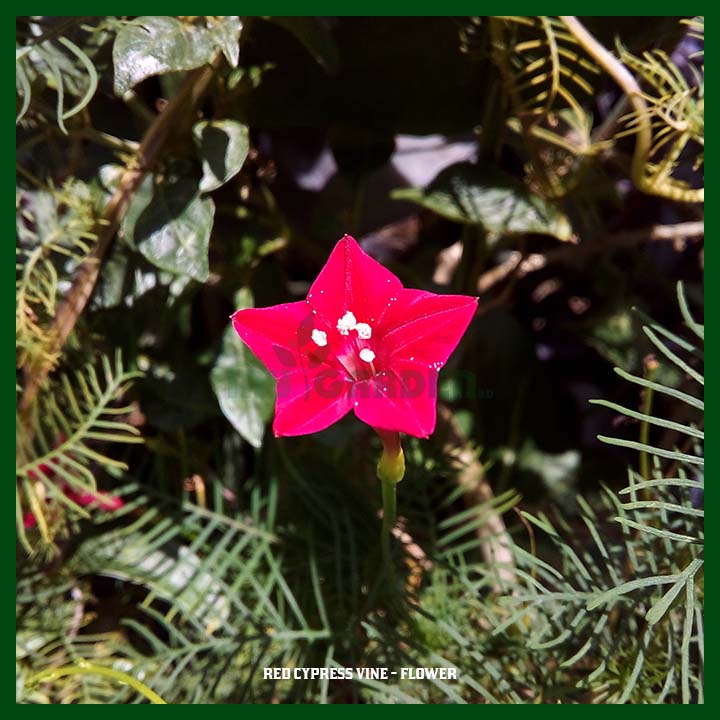
Cypress Vine Red (কুঞ্জলতা) – 10 seeds

৳ 65.00

Available on backorder

SKU: CYPRESS-VINE-RED Categories: , , Tags: , , , , ,

Description

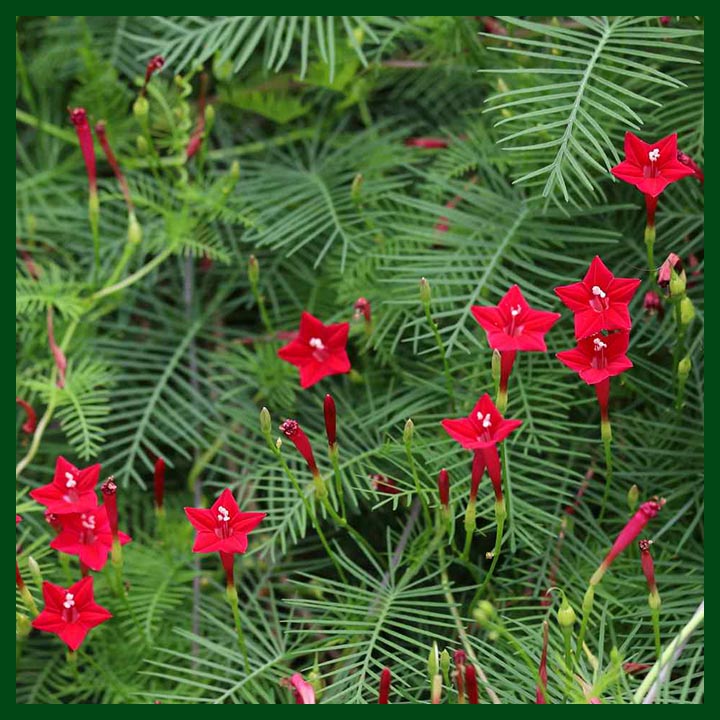
Cypress Vine Red – কুঞ্জলতা


Price: 65 Taka

Quantity: 10 seeds


Germination Rate (Approx.): 70%

Physical Purity (Min): 98%

Genetic Purity (Min): 98%


Germination Temperature: Optimal Range: 22–27°C. Most sources recommend maintaining a temperature of at least 21°C (70°F) for consistent germination.

Germination Time: Duration: 5–21 days, depending on conditions. Scarifying and soaking seeds can reduce germination time to 7–14 days.

Plant Height, Span, and Seed Sowing Depth

  • Height: 6–15 feet (1.8–4.5 meters), occasionally up to 25 feet under ideal conditions.
  • Span: 2–6 feet (0.6–1.8 meters).
  • Seed Sowing Depth: ¼–½ inch (6–12 mm).

Plant Spacing: Spacing: 8–12 inches (20–30 cm) between plants to allow for adequate airflow and growth.

Row Spacing: 12–24 inches (30–60 cm) between rows, especially when grown in garden beds.

Trellis or Physical Support Requirement: Essential. Red Cypress Vine is a twining climber that requires a trellis, arbor, fence, or pergola to support its delicate vines. Without support, it may sprawl or overtake nearby plants.

Seed to Bloom Time: Duration: 30–60 days from germination to first bloom, typically 50 days under optimal conditions.

Bloom Duration: Blooms from early summer to early fall (June to October in most regions), lasting 3–4 months. Individual flowers open in the morning and close up by afternoon.

Flower Shape and Size

  • Shape: Star-shaped with a tubular throat, resembling small trumpets.
  • Size: 1–1.5 inches (2.5–3.8 cm) in diameter.

Life Span: Annual, completing its life cycle in one growing season (6–8 months). In frost-free zones (USDA 10–11), it may act as a perennial due to self-seeding.

Pot Size/Container Size/Bed Size

  • Pot Size: Minimum 12–18 inches (30–45 cm) in diameter and 12 inches (30 cm) deep to accommodate root growth and a trellis. Larger containers (24 inches) are ideal for vigorous growth.
  • Bed Size: In garden beds, allocate 2–3 feet wide per plant for spreading vines.

Soil Type, Composition, and pH

  • Soil Type: Well-draining, fertile loam or sandy loam. Tolerates poor soils but thrives in nutrient-rich conditions.
  • Composition: 50% garden soil, 30% compost, 20% perlite or sand for drainage.
  • pH Level: 6.0–7.5 (slightly acidic to neutral).

Sunlight and Light Requirements

  • Daily Sunlight: 6–8 hours of full sun for optimal growth and blooming. Partial shade reduces bloom quantity.
  • Germination Light: Seeds do not require light for germination; maintain warmth and moisture. Seedlings need strong light (grow lights or south-facing window) to prevent legginess.

Water Requirement

  • Amount and Interval:
    • Seedlings: 0.1–0.2 liters every 2–3 days to keep soil moist but not soggy.
    • Established Plants (1–3 feet): 0.5–1 liter every 5–7 days, adjusting for rainfall.
    • Mature Vines (>3 feet): 1–2 liters every 7–9 days, ensuring soil dries slightly between waterings. Overwatering causes root rot.

Companion Plants: Morning glories, sweet potatoes, thunbergia (black-eyed Susan vine), scarlet runner beans, and marigolds. These enhance biodiversity and pest management.

Fragrance: None. Red Cypress Vine flowers are not known to produce a noticeable scent. Rating: 0/10.

Pest Types and Control

  • Pests:
    • Aphids: Small sap-sucking insects.
      • Chemical: Imidacloprid (per label instructions).
      • Organic: Neem oil spray (2% solution) or introduce ladybugs.
    • Spider Mites: Cause stippling on leaves.
      • Chemical: Miticide like abamectin.
      • Organic: Increase humidity, use insecticidal soap weekly.
  • Note: Generally pest-resistant, but monitor for infestations.

Disease Types and Control

  • Diseases:
    • Damping Off (seedlings): Fungal wilt.
      • Chemical: Fungicide like captan.
      • Organic: Use sterile potting mix, ensure good airflow.
    • Rust: Rust-colored spots on leaves.
      • Chemical: Chlorothalonil-based fungicide.
      • Organic: Remove affected leaves, apply sulfur dust.
    • Root Rot: Due to overwatering.
      • Chemical: Not effective; prevention is key.
      • Organic: Improve drainage, reduce watering.

Essential Nutrients and Organic Fertilizers

  • Nutrients:
    • Nitrogen (N): 10–15% for foliage growth.
    • Phosphorus (P): 20–25% for blooms and roots.
    • Potassium (K): 15–20% for overall health.
    • Micronutrients: Magnesium, calcium, iron (trace amounts).
  • Organic Fertilizers:
    • Compost: Provides balanced NPK (5-5-5).
    • Fish Emulsion: High in nitrogen (5-1-1).
    • Bone Meal: Phosphorus-rich (3-15-0).
    • Wood Ash: Supplies potassium (0-1-5).

Organic Fertilizer Application for Container Plants

  • Fertilizers and Amounts (per plant in 12–18 inch pot):
    • Compost: 200 grams, mixed into soil at planting.
    • Fish Emulsion: 10 ml diluted in 1 liter water, applied every 4 weeks.
    • Bone Meal: 50 grams, applied at bud set (once per season).
    • Wood Ash: 20 grams, sprinkled monthly.
  • Interval: Apply every 4–6 weeks during the growing season (spring to early fall).

Chemical Fertilizer Requirement and Application

  • Fertilizer: Use a balanced NPK (10-20-20) or high-phosphorus formula (5-10-5).
  • Application Rate:
    • Seedlings: 5 grams per plant, every 2 weeks.
    • Established Plants (1–3 feet): 10 grams per plant, monthly.
    • Mature Vines (>3 feet): 15 grams per plant, every 4–6 weeks.
  • Method: Dissolve in water and apply to soil, avoiding foliage. Avoid high-nitrogen fertilizers to prevent excessive foliage over blooms.

Health Benefits or Medicinal Uses: No documented medicinal uses for humans. The plant is toxic if ingested, posing risks to humans and pets. It supports pollinator health, indirectly benefiting ecosystems.

Special Characteristics

  • Attracts hummingbirds and butterflies with nectar-rich flowers.
  • Delicate, fern-like foliage provides a fine-textured aesthetic.
  • Rapid growth makes it ideal for quick coverage of trellises or fences.

Care for More Flowers

  • Deadhead spent flowers to prevent seed formation and encourage new blooms.
  • Provide full sun and regular watering without waterlogging.
  • Fertilize with high-phosphorus fertilizer before blooming.
  • Train vines onto supports to avoid shading flowers.

Ideal Germination Month in Bangladesh: March–April. Bangladesh’s spring (25–30°C, moderate humidity) aligns with optimal germination temperatures. Avoid monsoon (June–August) due to excessive moisture. Based on 2023–2024 weather data, March ensures warm soil and minimal frost risk.

Native Climate and Region

  • Climate: Tropical and subtropical.
  • Region: Native to Central and South America, particularly Mexico to Brazil. Naturalized in parts of the southeastern U.S. and Asia.

Seed Germination Difficulty: Rating: 3/10. Scarifying and soaking seeds improves germination rates, but hard seed coats can pose a minor challenge.

Growing Difficulty: Rating: 2/10. Easy to grow once established, requiring minimal care beyond support and occasional watering. Invasive potential requires monitoring.

Average Number of Seeds per Gram: Approximately 20–30 seeds per gram, based on seed size and packet data from multiple vendors.

Few Specialties

  • Hummingbird magnet due to nectar-rich, tubular flowers.
  • Fast-growing, covering structures in weeks.
  • Feathery foliage adds unique texture to gardens.

Beautiful Quotes

  • “The Red Cypress Vine, with its scarlet stars, dances in the summer breeze, a vibrant ode to nature’s artistry.”
  • “Like a crimson thread woven through the garden, the Cypress Vine climbs with grace, inviting hummingbirds to its floral feast.”

Few Unknown Facts

  • The plant’s seeds contain toxic alkaloids, historically used in small doses in traditional practices (not recommended today).
  • Its fern-like leaves recoil from direct sunlight, expanding at night.
  • In some cultures, it’s called “Indian pink,” despite not being native to India.

Scientific Name and Family

  • Scientific Name: Ipomoea quamoclit
  • Family: Convolvulaceae (morning glory family)

This variety of Cypress Vine has star-shaped red blooms and feathery, fern-like leaves. This vine brings not only brilliant color, but also wonderful texture. Sometimes this Ipomoea vine is called Star Glory or Hummingbird Vine. Bees, butterflies and hummingbirds also gets attracted to this flower which makes your garden more lively.

Cypress Vine plants grow well in full sun or partial shade. They are not picky about the quality of soil, but it does need to have good drainage. Once the Cypress Vine Star Glory plant is established well, it can withstand periods of drought. However, it will grow faster and have more blooms with regular water. In some warm regions, Cypress Vine will grow as a perennial.


Tutorial Link 1:


Tutorial Link 2:


CLICK HERE TO LEARN MORE ABOUT GROWING TIPS


Recommended Items for Seedling Preparation:

-Seedling Tray Bed


–Ready Mix Soil – Potting Mix – MGSS3020


Water Spray Bottle – 500 ml


Disclaimer: In accordance with the universal custom of seed trade we give no warranty expressed or implied as to description, quality, productivity or any other matter of any way for the crop results beyond the purchased price especially under unsuitable season, abnormal weather, unsuitable soil and other unexpected conditions.

বীজ ব্যবসার সার্বজনীন প্রথা অনুযায়ী আমরা বিশেষত অনুপযুক্ত ঋতুতে, বিশেষত অনিয়মিত আবহাওয়া, অনুপযুক্ত মাটি এবং অন্যান্য ক্রয়মূল্যের বাইরে ফসলের ফলনের বর্ণনা, গুণমান, উৎপাদনশীলতা বা অন্য যে কোনও বিষয়ে বর্ণিত ওয়ারেন্টি প্রদান করি না অপ্রত্যাশিত শর্ত

#cypress #vine #RedCypressVine #IpomoeaQuamoclit #HummingbirdVine #MorningGloryFamily #ClimbingVine #GardenVines #PollinatorPlant #FernLikeFoliage #StarShapedFlowers #TropicalVine #AnnualVine #GardenBeauty #ButterflyGarden #HummingbirdGarden #FastGrowingVine #TrellisPlant #FlowerGarden #InvasivePlant #GardeningTips #PlantCare #red #Ipomoea #Pennata #Star #Glory #kunjolota #kunjolata #kunjalata #Hummingbird #flower #seed #Color #Plant #Rooftop #seeds #Balcony #online #store #my #garden #bd #mygardenbd #nature #কুঞ্জলতা #তরুলতা #কামলতা #তারালতা #গেইট #লতা #সূর্যকান্তি #ছাদ #বাগান #টব #গাছ # ফুল #বীজ #in #Dhaka #Bangladesh
Reviews

There are no reviews yet.

Be the first to review “Cypress Vine Red (কুঞ্জলতা) – 10 seeds”

Your email address will not be published. Required fields are marked *